
Battery Powered Trackers: The True Cost of Batteries
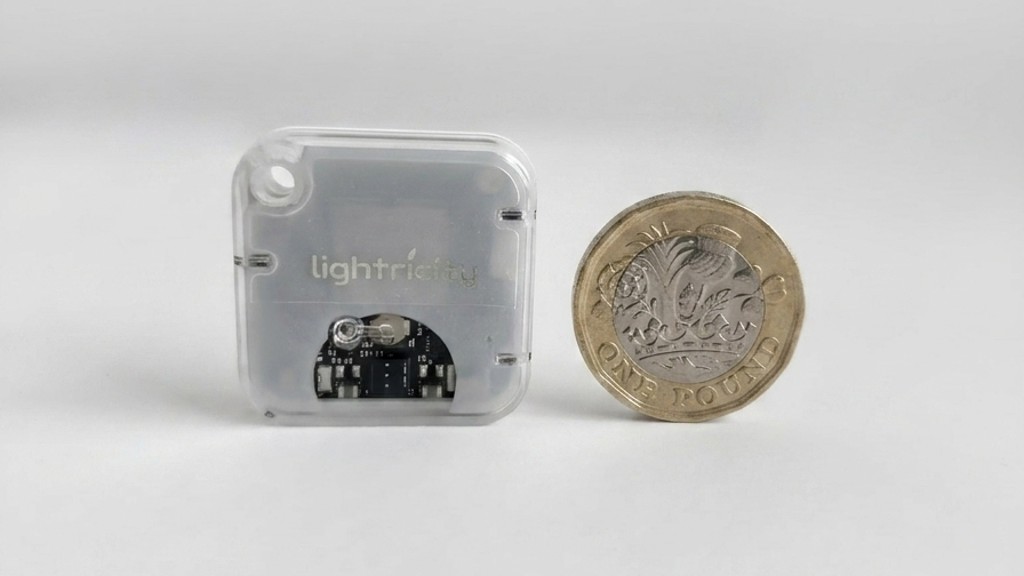
This white paper analyzes the total cost of ownership of battery-powered RTLS tags and asset trackers, with particular focus on hospital equipment tracking. It argues that the main cost of battery replacement is not the battery itself, but the labor required to locate assets, access equipment, replace batteries, verify operation, dispose of batteries, and manage […]
Wireless Sensing of CO₂
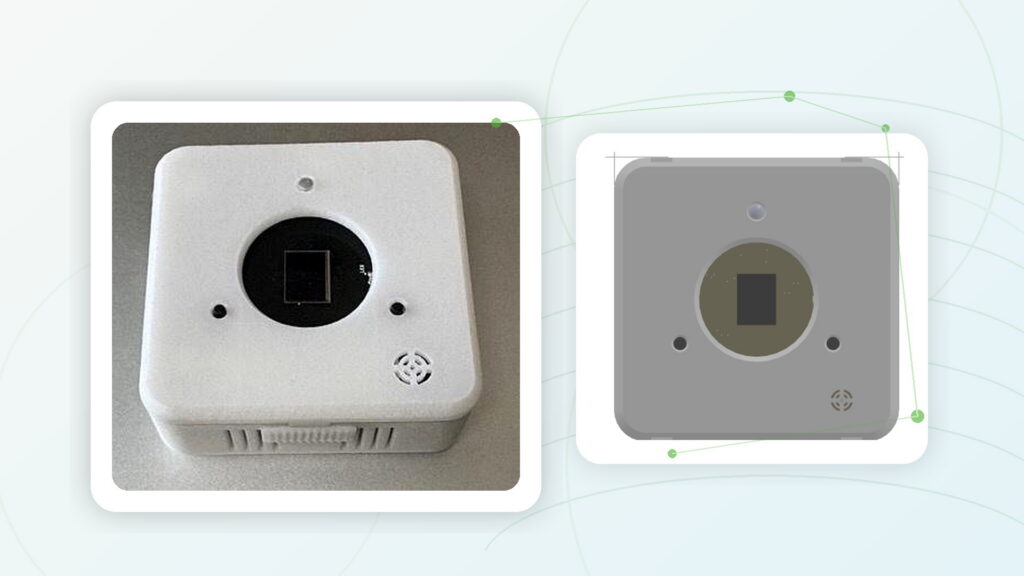
Why CO₂ monitoring matters for indoor air quality, ventilation control, occupancy sensing, digital twins, and precision agriculture. Explore how sensor technologies such as electrochemical, NDIR, and metal oxide semiconductor sensors, can benefit from wireless CO₂ monitoring in retrofit installations where hard wiring would be costly or intrusive. The paper argues that indoor PV-powered wireless CO₂ […]
Stock Control Using Smart Self-Powered Weigh Bins in an Unmanned Portable Store

This white paper describes how light-powered smart weigh bins can automate stock control for small components such as screws, nuts, bolts, and washers. It explains why manual stock taking and dual-bin systems are limited, especially on construction sites or remote stores where there may be no dedicated store manager. The paper presents field trials with […]
Powering Sustainable IoT: The Environmental Cost of Battery-powered IoT Devices and What to Do About It

What are the environmental impacts of using batteries to power large-scale IoT deployments? While IoT can help organizations save energy and improve operations, the batteries used in wireless sensors create carbon, maintenance, materials, and disposal problems over the life of each device. This paper includes a Circular Ecology study comparing the carbon footprint of the […]
Breaking the Battery Barrier: How to Plan a Battery-free Future for IoT Asset Tracking

This white paper sets out the operational and environmental problem created by battery-powered IoT asset tracking at scale. It explains how hospitals, warehouses, manufacturing sites, and other asset-rich environments increasingly depend on smart sensors and trackers, but face high maintenance costs, battery disposal issues, downtime, and limits on device design. The paper compares common tracking […]
Sustainably Powering Up the Future of Automated Temperature Tracking for the Food & Beverage Industry

Battery-free wireless temperature sensors can help food and beverage businesses automate refrigerator temperature monitoring, improve compliance, reduce manual checks, and cut food and energy waste. It focuses on use cases in coffee shops, food outlets, and retail refrigeration, including a proof of concept across 50 stores where sensors transmitted temperature readings every one to two […]
A Benchtop Light Simulator for Standards-based Characterisation of Indoor Solar Cells and Sensors
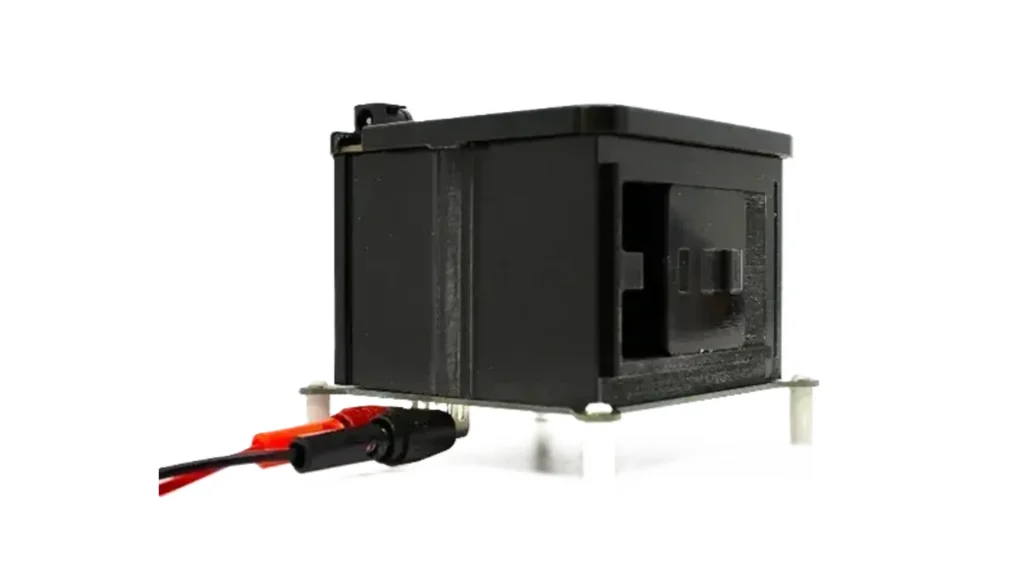
This white paper introduces Lightricity’s LightBox Indoor Light Simulator, a benchtop system designed to help engineers, researchers, and product developers test indoor photovoltaic cells and light-powered sensor devices under controlled, repeatable conditions. It explains the need for reliable indoor PV characterization as more IoT devices move away from batteries and toward energy harvesting. The paper […]