Independent research validates a path to long lasting IoT power that eliminates maintenance, alleviates the cost of battery replacements, waste, and nearly all associated carbon emissions.
In our previous article, we revealed a hard truth: batteries are the dominant source of carbon emissions in a typical IoT device’s lifecycle. At Lightricity, we didn’t just identify this problem we solved it.
The same independent study that exposed the 51% battery footprint also tested our solution: powering IoT sensors with ultra-efficient PV cells harvesting indoor light.
The Results: A Reduction So Significant, It Redefines the Sensor Market
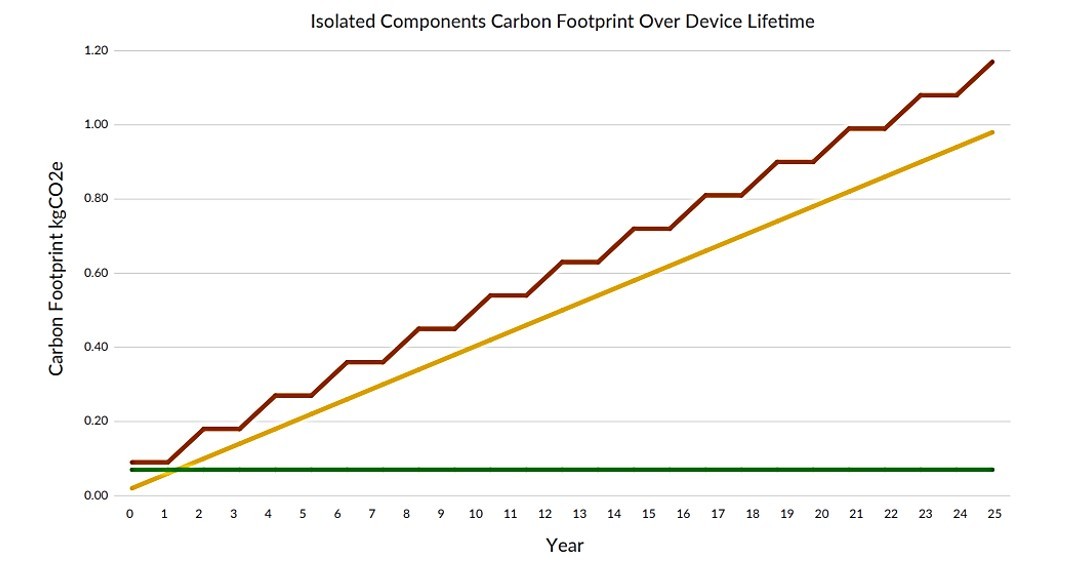
The comparative data speaks for itself:
- AAA battery (replaced every 2 years): 1.17 kg CO₂e
- Coin cell battery (replaced yearly): 1.00 kg CO₂e
- Lightricity indoor light cell: 0.07 kg CO₂e
This is a reduction in emissions from the power source of over 99%.

How is this possible? We eliminated the problem, not just improved it.
- No More Replacements: One light cell lasts the entire 25-year+ life of the device.
- Zero Maintenance Emissions: No more journeys for engineers to change batteries.
- No Operational Waste: The solution generates zero battery waste for its entire operational life, directly addressing the looming waste crisis highlighted by EU research. Whilst freeing up critical rare earth materials for more important applications and markets where energy harvesting cannot offer a sustainable and reliable solution e.g in automotive.

This isn’t a prototype. This is today’s reality.
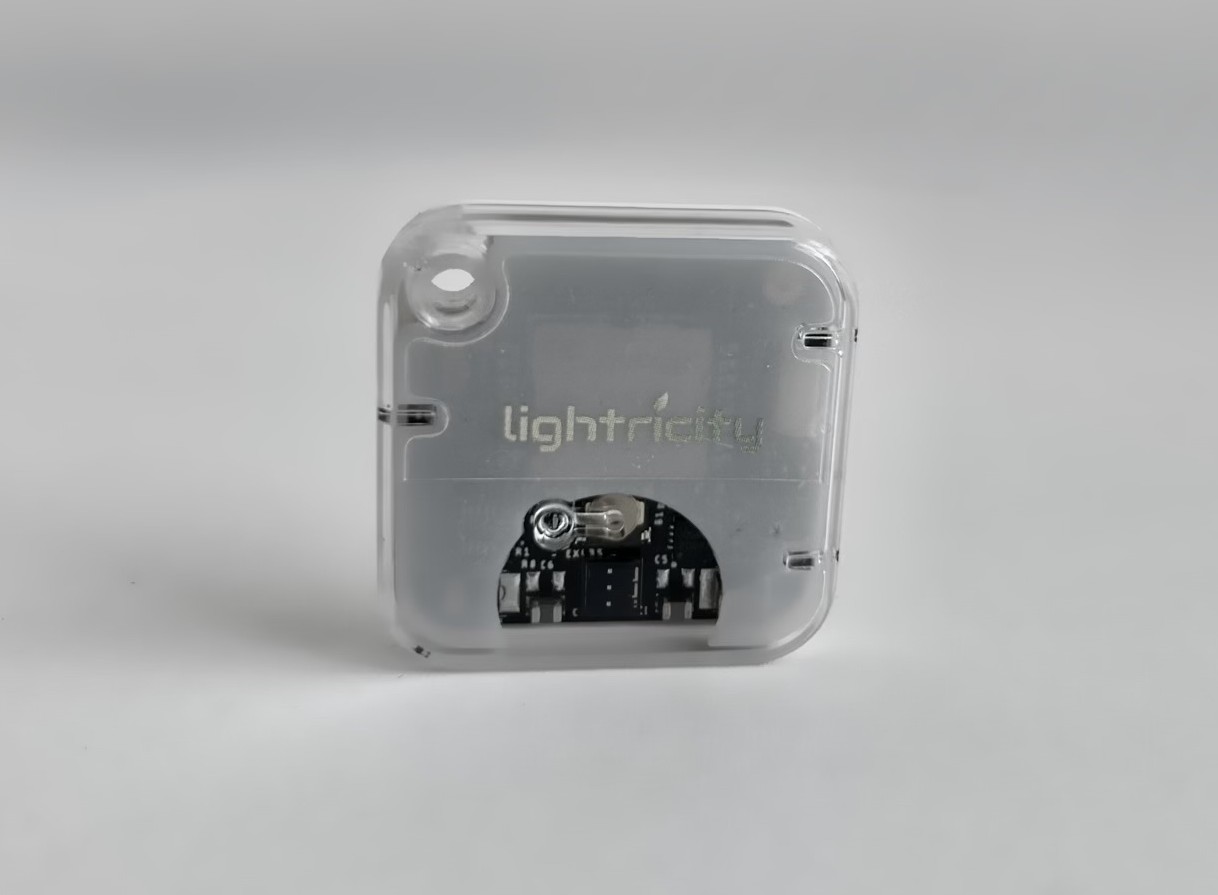
Lightricity’s products, from our 4EverTrack to our 4EverSense and 4EverNav platforms, are already deployed, powering themselves sustainably and efficiently from ambient light and eliminating maintenance for good. This is more than an innovation; it’s a complete value shift for IoT sensors, moving from a model of consumption to a model of permanence.
Our 4Ever suite of products including 4EverTrack, 4EverSense, and 4EverNav is already deployed at scale, harnessing ambient light to achieve perpetual operation and eliminate maintenance entirely. This represents a fundamental architectural transformation for the Internet of Things, signalling a decisive move away from a consumption-based model towards one of enduring permanence.
The sustainable future of IoT isn’t just about collecting better data it’s about powering that collection responsibly. The question is no longer if we must change, but how quickly we can make this future a reality.
We’ve built the how. The when is now.
Ready to see the data that changes everything?
Download the whitepaper to review the full independent study.